Safety First: The Importance of Working at Heights Training for Roofing Professionals
|
Working at heights training is essential for your roofing operations’ safety and OSHA compliance. You’ll need to master personal fall arrest systems, guardrail installations, and safety net protocols while working at elevations ranging from 6 to 60+ feet. Your commitment to rigorous safety protocols and ongoing competency assessments protects workers from fall hazards including unprotected edges and skylight openings. Discover how extensive height safety programs can transform your workplace safety culture. 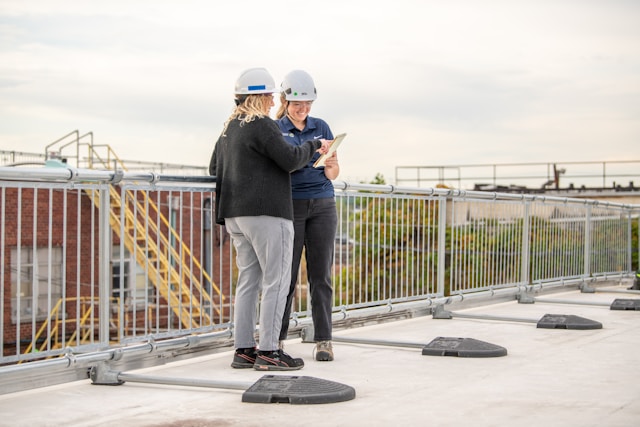 Safety First: The Importance of Working at Heights Training for Roofing ProfessionalsSafety consciousness forms the foundation of professional roofing operations, particularly when it comes to working at heights. Your commitment to roofing safety training isn’t just about compliance—it’s about protecting lives. By implementing thorough fall protection systems for roofing and maintaining rigorous safety protocols, you’re safeguarding your team while meeting OSHA requirements, ensuring everyone returns home safely after each workday. Understanding the Fall Risks in Roofing WorkWith elevated work surfaces ranging from 6 to 60+ feet, roofing professionals face multiple fall hazards that require detailed analysis and prevention strategies. When you’re performing roofing work, you’ll encounter risks from unprotected edges, skylight openings, and unstable surfaces. That’s why working at heights training and proper roofing fall protection equipment are essential components of your thorough safety protocol. Key Fall Protection Systems and Training for Roofing ProfessionalsProfessional roofing crews must master three primary fall protection systems to maintain OSHA compliance and prevent workplace accidents. You’ll need to properly utilize personal fall arrest systems (harnesses), guardrail systems for roof edges, and safety net systems below work areas. Following OSHA roofing safety standards requires consistent training in equipment inspection, proper installation techniques, and emergency response protocols for roofing accident prevention. OSHA Regulations and the Role of Safety TrainingOSHA’s extensive regulations outline three mandatory training requirements that roofing contractors must follow to maintain workplace compliance.
Conclusion: Ensuring Worker Safety Through Ongoing Heights TrainingThe implementation of extensive working at heights training programs serves as the foundation for maintaining a safe roofing workplace. When you prioritize ongoing safety education and follow roofing safety regulations, you’ll protect your team while enhancing operational efficiency. South Jersey Commercial Roofing demonstrates how consistent training investment creates a culture where safety becomes second nature, reducing workplace incidents and ensuring everyone returns home safely. |
|